
Portable Bar Equipment for Events: A Complete Guide

Portable bar equipment is defined as modular, wheeled, or collapsible bar units paired with specialized tools designed for rapid deployment at temporary venues like weddings, corporate events, and private parties. The industry term most professionals use is “mobile bar unit,” though portable bar equipment covers both the structural setup and every tool inside it. If you are an event planner or entrepreneur building a mobile beverage service, understanding what goes into a complete portable bar setup is the difference between a smooth event and a logistical failure.
What is portable bar equipment and how does it work?
Portable bar equipment refers to modular structures with specialized tools built for quick assembly and breakdown at non-permanent locations. These units range from compact foldable bars for solo bartenders to full trailer setups for multi-staff, high-volume service. The core idea is simple: bring a fully functional bar to any location without relying on a venue’s built-in infrastructure.
A complete portable bar setup includes three layers. First, the structural unit itself. Second, cold storage and beverage refrigeration. Third, a core toolkit of bartending tools and accessories. Each layer must work together for the bar to function at a professional level.
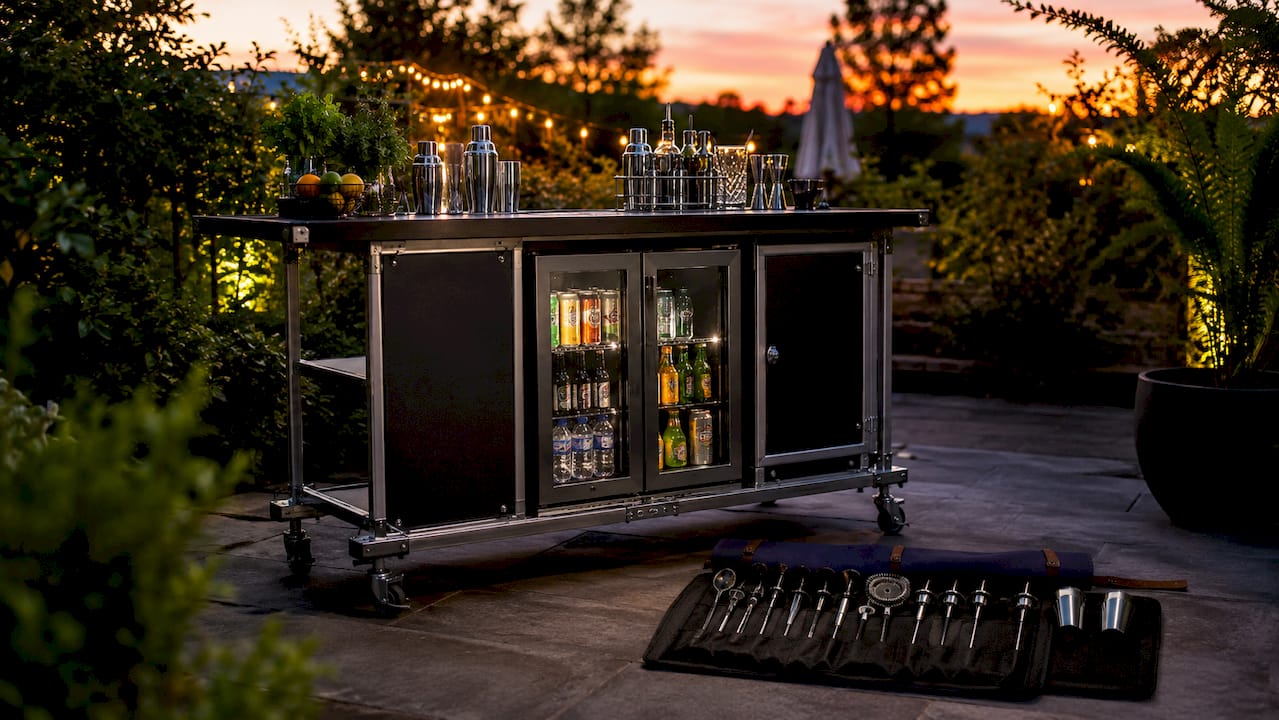
The scale of your setup depends on your event type. A 5-foot bar unit typically handles one bartender serving up to 75 guests. Larger events with 200 or more guests require bar trailers or multiple modular units running in parallel.
What are the main types of portable bar equipment?
The four primary categories of mobile bar units each serve a different operational need.
- Foldable and collapsible bars: Lightweight, easy to transport in a van or SUV, and ideal for intimate events under 100 guests. Most weigh under 50 lbs and set up in under 15 minutes.
- Wheeled bar units: Built on locking casters, these offer stability on flat surfaces and move easily between indoor and outdoor spaces. Look for wheels at least 4 inches in diameter with reliable brakes for safe positioning.
- Mobile bar trailers: The choice for high-volume, multi-staff setups. These trailers include built-in plumbing, electrical systems, and refrigeration. They require a vehicle hitch and a parking plan at each venue.
- Modular countertop systems: Stackable sections that configure into different bar shapes. These work well for corporate events where the bar layout changes between setups.
Material and size considerations
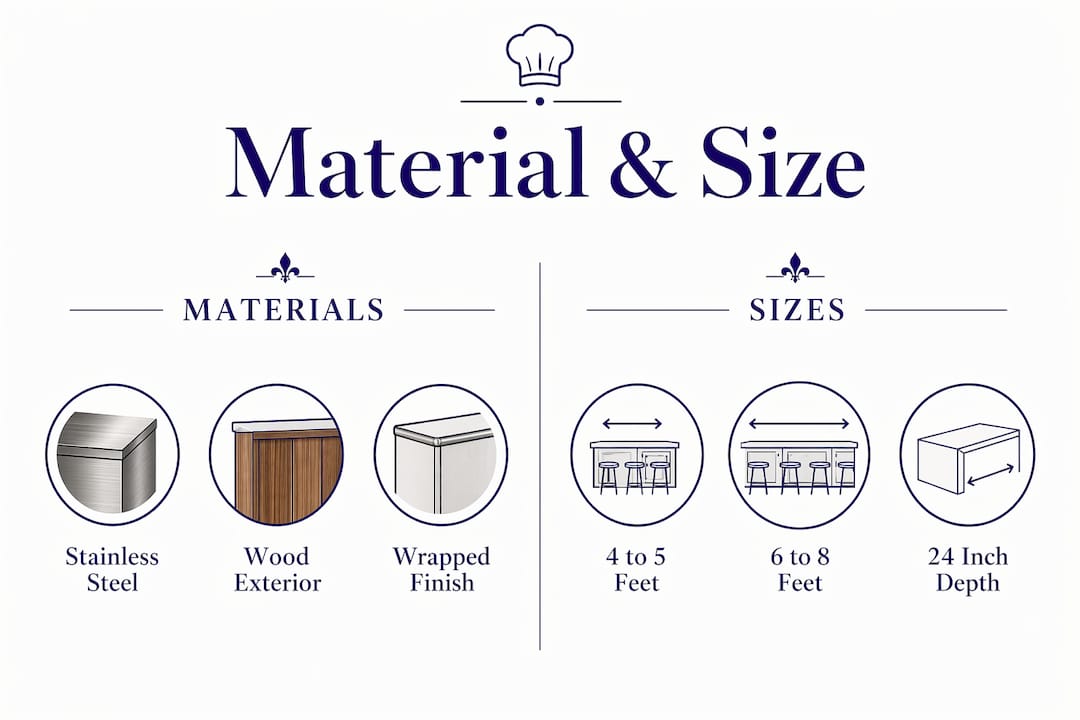
Standard portable bar units range from 4 to 8 feet in length. A counter depth of at least 24 inches gives bartenders enough workspace for efficient drink preparation. Stainless steel is the preferred material for professional units because it resists corrosion, cleans easily, and meets health code standards. Aluminum frames offer a lighter alternative for frequent transport. Wood finishes look premium at weddings but require more maintenance and are harder to sanitize.
Pro Tip: Choose a bar unit with a stainless steel top and a wood or wrapped exterior. You get the sanitation benefits of steel where it counts and the visual appeal of wood where guests see it.
| Bar Type | Best For | Typical Length | Weight Range |
|---|---|---|---|
| Foldable bar | Small parties, frequent transport | 4–5 feet | 30–50 lbs |
| Wheeled bar unit | Indoor/outdoor events, solo operator | 5–6 feet | 50–75 lbs |
| Mobile bar trailer | High-volume, multi-staff events | 8+ feet | 500+ lbs |
| Modular countertop | Corporate events, flexible layouts | 4–8 feet configurable | 40–70 lbs |
Which bartending tools are essential in portable bar setups?
A lean, modular mobile bar setup built around essential tools outperforms an overpacked kit every time. The core toolkit for any professional mobile bar includes weighted shaking tins, Japanese-style jiggers, and multi-purpose bar spoons. These three tools cover the majority of cocktail preparation without adding unnecessary bulk.
Beyond the core toolkit, your setup needs:
- Cold storage: A portable ice bin or a compact kegerator like the U-Star USBD-2428 for draft beer service. Ice bins should hold enough ice to serve through a 2-hour window without a refill.
- Speed rails and garnish bins: Speed rails keep your most-used bottles within arm’s reach. Garnish bins with lids prevent contamination and keep prep organized.
- Stemware holders and cutting boards: Hanging stemware holders free up counter space. A small cutting board handles citrus prep without taking over the workspace.
- Sanitation supplies: Sanitizer solution, test strips, and clean towels are non-negotiable. Many states require bartenders to maintain sanitizer at specific concentrations during service. Review foodservice sanitation standards before your first event.
- POS system and mobile payment: A tablet-based POS with a card reader handles cashless transactions. Square and Toast Go are two widely used options for mobile bar service.
Professional bartenders use bespoke roll-up kits and modular inserts to protect tools and speed setup. Always carry spares of frequently misplaced items like bar blades and wine keys. Losing a wine key mid-service is a small problem that creates a big delay.
Pro Tip: Pack your tool kit in the same order before every event. Muscle memory during setup reduces errors and cuts your prep time by 20–30%.
What are the benefits of portable bars for event planners?
Portable bars offer logistical advantages that fixed bars simply cannot match. The most direct benefit is location flexibility. You can serve drinks poolside, in a garden, inside a warehouse, or at a rooftop venue without any permanent infrastructure.
Here are the core operational advantages:
- Guest flow control: Placing a mobile bar unit at a strategic point in a venue directs foot traffic and prevents crowding near entrances or dining areas.
- Lower overhead: Renting or owning portable bar equipment costs significantly less than building or renting a permanent bar space. You also avoid venue surcharges for bar setup.
- Faster setup and breakdown: A well-organized portable bar sets up in 30–60 minutes and breaks down in the same window. That speed reduces labor costs per event.
- Sanitation and licensing compliance: Professional units often feature built-in sinks, speed rails, and refrigeration to meet hygiene and licensing standards. A bar with a handwashing sink is a requirement in most jurisdictions for licensed alcohol service.
- Aesthetic flexibility: Mobile bar units come in finishes that match any event theme, from rustic wood to polished stainless steel.
A portable bar that looks professional and operates efficiently does more than serve drinks. It becomes a focal point of the event and signals to guests that the host invested in quality service.
How to set up portable bar equipment for maximum efficiency
Selecting the right equipment starts with weight. Solo-portable bar units should weigh under 75 lbs to be manageable by one person. If your unit exceeds that threshold, you need a second person for load-in, which adds labor cost to every event.
Power and water logistics
Electrical load mapping, GFCI protection for outdoor use, and on-site potable water setups are required for safe mobile bar operation. Map every device that draws power: refrigeration units, blenders, POS systems, and lighting. Refrigeration compressors draw a surge of power at startup, which can trip a breaker if your load plan does not account for it. Always carry a plumbing go-bag with spare fittings and tape to handle quick fixes on taps and water connections.
For water, you need two separate containers: one for potable water and one for wastewater. Most health codes require this separation. A 5-gallon potable water jug and a matching waste container handle a 4-hour event for one bartender.
Inventory planning and tool organization
Bar layouts should support inventory quantities sufficient to serve 100 or more drinks before a restock is needed. Running out of a key ingredient mid-event forces a service pause that frustrates guests and damages your reputation. Plan your par levels based on the event headcount and the expected drink mix.
Tableside efficiency is the single biggest factor in mobile bar performance. Every tool and ingredient must be within arm’s reach. Bartenders who hunt for tools during service slow down the entire operation. Organize your bar so the most-used items sit in the front row of your speed rail and the least-used items stay in a secondary storage area below the counter.
A useful reference for building your full event equipment list is the catering equipment checklist from Culinaryprofis, which covers both bar and food service components in one place.
Pro Tip: Do a full dry run of your setup at home before the event. Time yourself from first piece out of the vehicle to bar-open ready. If it takes more than 60 minutes, find what is slowing you down and fix it before the event day.
For Texas-based operators, the event bartending guide from Margaritas Express covers state-specific licensing requirements and mobile bar toolkit recommendations worth reviewing before your first booking.
Key takeaways
Portable bar equipment works best when the structural unit, cold storage, core tools, and logistics planning are treated as one integrated system rather than separate purchases.
| Point | Details |
|---|---|
| Define your scale first | Choose bar unit size based on guest count: 5-foot units for one bartender, trailers for multi-staff events. |
| Weight determines solo viability | Units under 75 lbs allow one-person transport and setup, keeping labor costs low. |
| Tableside efficiency drives revenue | All tools and ingredients within arm’s reach reduce service delays and improve guest satisfaction. |
| Power and water need a plan | Map electrical loads, use GFCI protection outdoors, and carry separate potable and wastewater containers. |
| Inventory for 100+ drinks | Stock enough to serve 100 or more drinks before a restock to avoid mid-event service interruptions. |
What I have learned from watching mobile bars succeed and fail
I have seen event planners arrive at venues with beautiful bar setups that fell apart within the first hour. The problem is almost never the equipment itself. The problem is the decision to pack everything “just in case.” A bar cart loaded with 12 spirits, 6 mixers, 4 garnish options, and a blender for a 50-person cocktail hour is a liability, not an asset. It takes longer to set up, longer to find anything, and longer to break down.
The setups that run smoothly share one trait: discipline. The operator chose a specific drink menu, built the bar around that menu, and left everything else in the vehicle. That approach is harder than it sounds because clients always want options. Your job is to help them understand that a focused menu served fast beats a sprawling menu served slow.
The other mistake I see consistently is skipping the dry run. Operators who practice their setup at home before an event cut their on-site setup time in half by the third event. The ones who skip it are still troubleshooting at the venue when guests arrive.
Invest in professional-grade tools from the start. Residential bar kits look similar to professional kits in photos, but they fail under volume. A weighted shaking tin from a professional supplier lasts years. A cheap residential tin warps after a season of regular use. The upfront cost difference is small. The long-term cost difference is significant.
— John
Upgrade your mobile bar with Culinaryprofis equipment
Culinaryprofis stocks commercial-grade portable bar components and beverage refrigeration units built for professional event service.
The Culinaryprofis catalog includes the Whynter BBR-838SB undercounter beverage refrigerator, which holds 80 cans in a 15-inch footprint, making it a practical cold storage option for compact mobile bar setups. Every product ships free and comes backed by expert support from a team that understands foodservice requirements. If you are building or upgrading a mobile bar operation, browse the full portable commercial equipment selection at Culinaryprofis to find units matched to your event volume and venue type.
FAQ
What is portable bar equipment used for?
Portable bar equipment is used to deliver professional beverage service at temporary venues including weddings, corporate events, and private parties. It includes the structural bar unit, cold storage, and a core set of bartending tools.
How heavy should a portable bar be for solo operators?
A solo-portable bar unit should weigh under 75 lbs to allow one-person transport and setup. Units above that weight require a second person for load-in, which increases labor cost per event.
What size portable bar unit do I need?
A 5-foot bar unit with at least 24 inches of counter depth handles one bartender efficiently. Larger events with multiple bartenders require 6-foot or longer units, or a mobile bar trailer.
Do portable bars need a sink for licensed alcohol service?
Most jurisdictions require a handwashing sink for licensed alcohol service at events. Professional portable bar units with built-in sinks meet this requirement and simplify the licensing process.
What essential tools belong in every mobile bar kit?
Every mobile bar kit needs weighted shaking tins, Japanese-style jiggers, multi-purpose bar spoons, a speed rail, garnish bins, sanitizer solution, and a mobile POS system. Carry spares of bar blades and wine keys to avoid service delays.